Published June 8, 2026 06:00AM
If you buy through our links, we may earn an affiliate commission. This supports our mission to get more people active and outside.Learn about Outside Online's affiliate link policy
The Race Weight Myth is Dead: Why Being Fueled is the New Gold Standard for Triathletes
The decades-long quest for an ideal “race weight” has often devolved into dangerous underfueling. Now, elite triathletes are ditching the scale, prioritizing health and fuel to prove that power and speed belong to all body types.
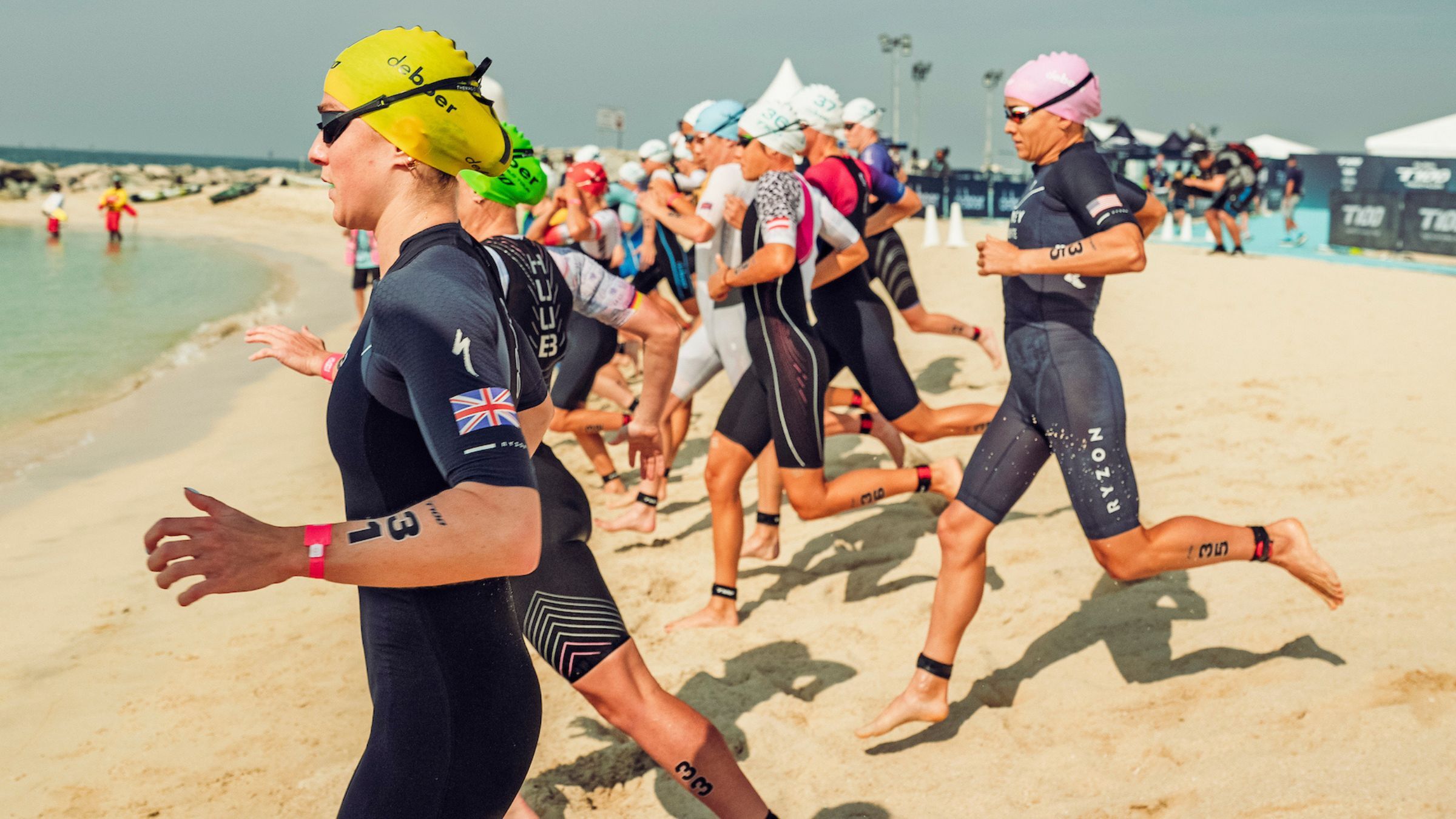
(Photo: T100)
As a triathlete, you may be familiar with the term “race weight,” which is a concept suggesting there is a specific, ideal weight necessary to reach peak performance. This term was popularized in 2009 by Matt Fitzgerald in his book, Racing Weight: How to Get Lean for Peak Performance.
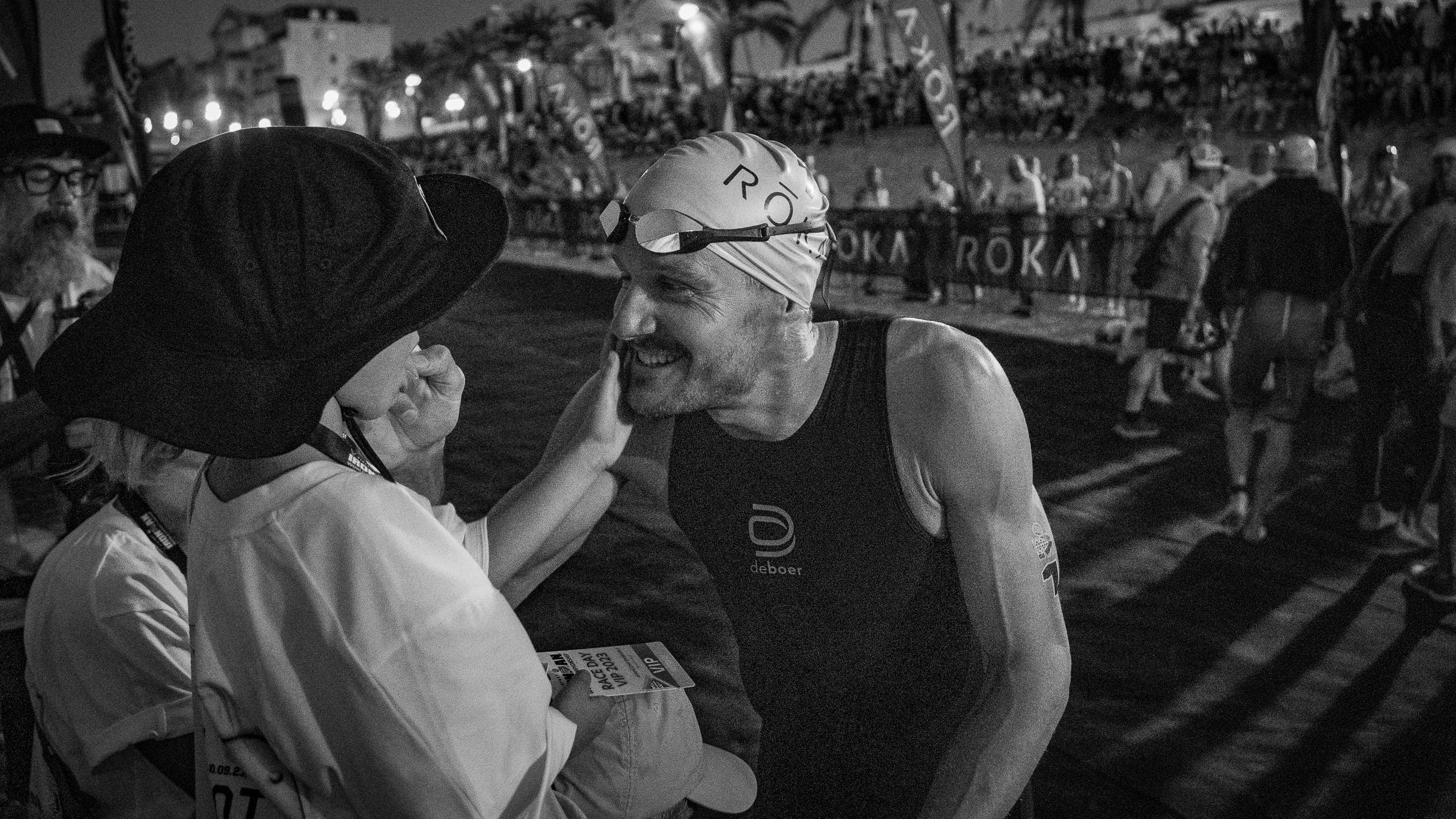
While “race weight” is often described as the body weight at which an athlete may theoretically perform optimally, many athletes interpret it as a specific target number, typically one that is lower than their natural or sustainable body weight. Consequently, the quest for “race weight” often devolves into a singular pursuit of leanness, marked by restrictive eating habits and the flawed assumption that lower weight equals faster times. Just ask one of the sport’s greatest, Jan Frodeno, who publicly discussed the detriment of obsessing over race weight in his recent newsletter titled “The Lean Years.”
Yet, the connection between leanness and better performance is far more complex than this narrative suggests. A 2023 study by Burke et al. examined the effects of nine days of severe caloric restriction on elite male and female race walkers. By reducing intake by approximately 1,500 calories per day (a 41% decrease), athletes lost roughly 2 kg (4.4 pounds) of body mass. Although the calorie-restricted athletes improved race speed by about 4%, athletes who maintained high energy availability (~3,700 calories per day) also improved their performance without experiencing the increased stress, fatigue, and reduced training quality reported by the calorie-restricted group.
Because performance improved in both groups despite markedly different changes in body mass, the researchers found no evidence that weight loss itself was responsible for the performance gains. In other words, reductions in body mass did not predict improved race outcomes, ruling out weight loss as a reliable indicator of enhanced performance.
ADVERTISEMENT
The dangers of this restrictive mindset are highlighted by professional triathlete Holly Lawrence, who has openly discussed her own experience with the pursuit of “race weight.”
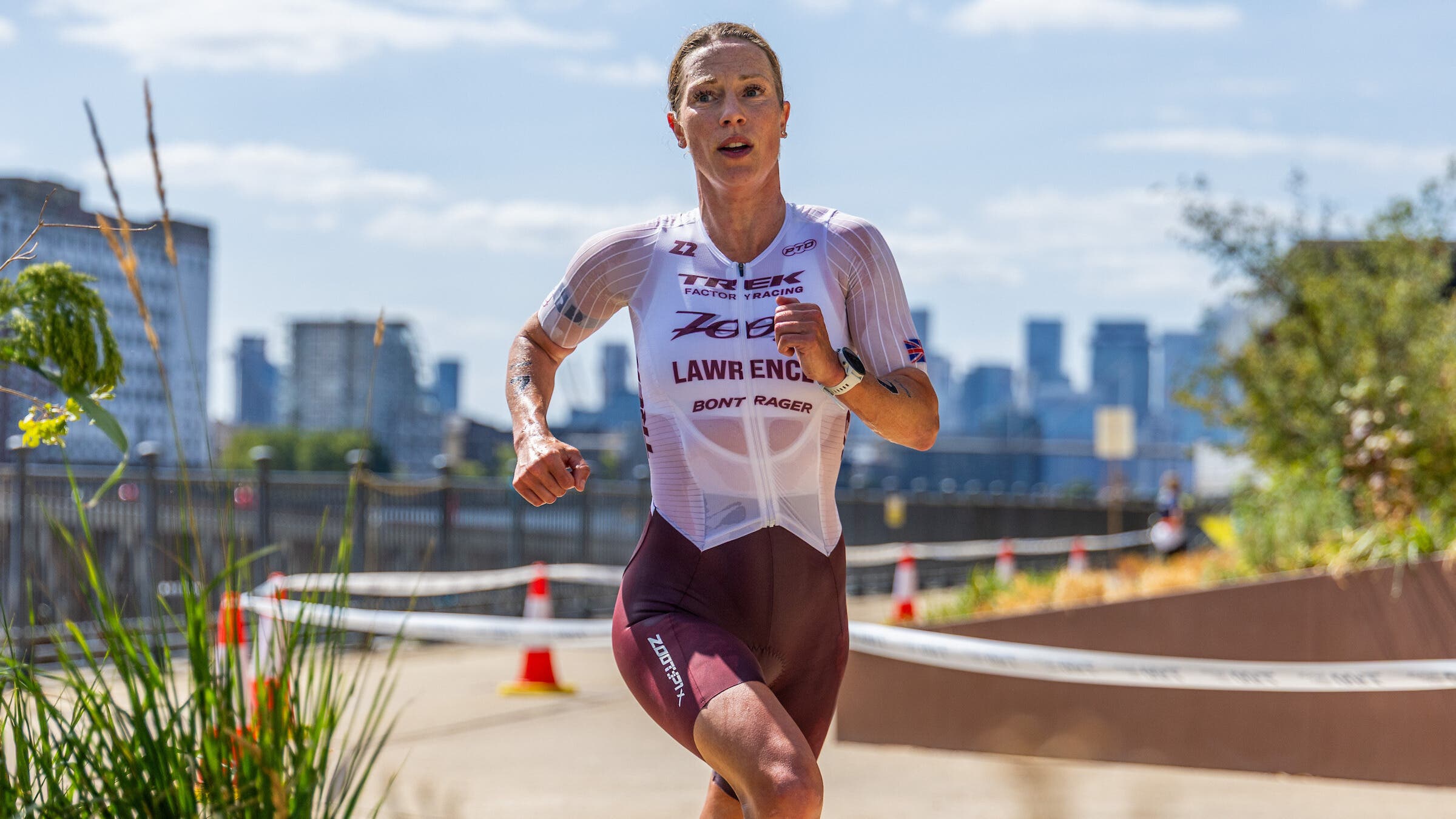
Following an injury in the 2017 season, Lawrence intentionally reduced her food intake in an effort to avoid gaining weight while she was unable to run. When she arrived at the 2017 Ironman 70.3 World Championship in Chattanooga, Tennessee, to defend her title, she weighed several pounds less than she had the previous year. Despite being lighter, her performance suffered dramatically, and she withdrew less than halfway through the bike leg after feeling completely depleted and unable to compete at her usual level.
Reflecting on the experience, Lawrence realized that she had won numerous races in 2016, including the Ironman 70.3 World Championship, at a healthy and sustainable weight. The lesson was clear: Being lighter had not made her faster; it left her underfueled and unable to perform.
The quest for leanness in endurance sports
While data specifically connecting weight reduction to triathlon performance is extremely sparse, there’s significant research showing that the quest for leanness may lead to persistent underfueling and body dissatisfaction, negatively impacting mental and physical health.
The case of Mary Cain, a premier middle-distance runner who shared her story with The New York Times in 2019, highlights the dangers of prioritizing weight over performance. While training with the Nike Oregon Project – a program Nike terminated later that year following head coach Alberto Salazar’s four-year doping ban – Cain was forced to believe that her body weight mattered more than her athletic performance.
Formerly known as the fastest girl in America, Cain’s pursuit of athletic perfection resulted in devastating health consequences, including the loss of her menstrual cycle for three years, multiple bone fractures, an eating disorder, and suicidal ideation.
ADVERTISEMENT
Similar struggles are echoed by Lauren Fleshman in her 2023 book, Good for a Girl, which chronicles the pressure female athletes face to achieve thinner physiques in pursuit of performance. In 2020, more than two dozen athletes from Wesleyan University’s track and cross-country programs also came forward to expose a toxic culture defined by body shaming and disordered eating.
Although the narratives of elite runners may sound extreme, triathletes are not immune to body image standards. Thankfully, the landscape of triathlon is beginning to shift. Numerous professional triathletes are debunking persistent myths regarding body composition, showing that top-tier performances are achievable across a variety of body types.
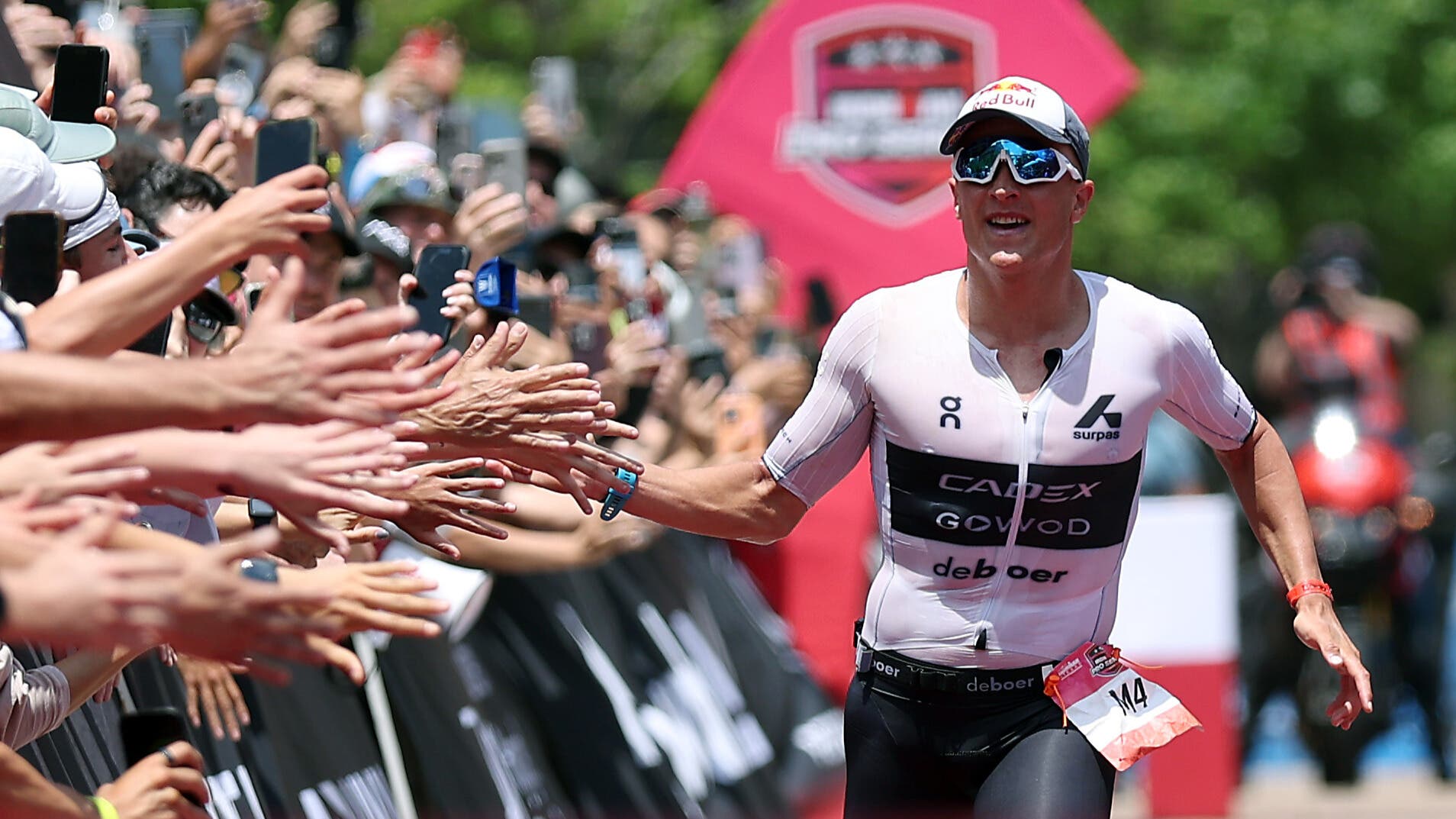
For example, Norwegian triathlete Kristian Blummenfelt, Olympic and Ironman world champion, is often labeled as big for an elite triathlete. Blummenfelt has said that he “like[s] getting messages on social media from people saying I helped them believe they could run faster as a big person.” By thriving outside the confines of traditional sport-specific ideals, Blummenfelt is helping redefine what elite performance looks like.
This begs the question: What’s driving this cultural change?
The health cost of race weight
The idea that elite performance requires a lean aesthetic is being replaced by evidence that athletes perform best when fueled, healthy, and not forced into an idealized body type. This shift is primarily being driven by a growing understanding of the mental and physical consequences of chronic underfueling, where chronic inadequate energy intake relative to expenditure compromises health, recovery, adaptation, and long-term performance.
In 2014, the International Olympic Committee debuted the concept of Relative Energy Deficiency in Sport (REDs) as a more comprehensive evolution of the original “Female Athlete Triad.” Developed to address the various physiological risks associated with inadequate nutrition, REDs is a clinical syndrome defined by a state of low energy availability (LEA). This occurs when an athlete’s caloric intake is insufficient to simultaneously meet the heavy metabolic demands of training and the critical energy requirements for optimal physical health.
Endurance athletes are among the most vulnerable populations for not meeting energy needs. In a 2025 study, exploring the presentation of REDs in ultra-endurance sport, up to 65% of ultra-endurance athletes could be at risk for low energy availability. A few years earlier, a landmark study of the 2022 Boston Marathon (the first of its kind at a major mass event) revealed that 18% of men and 42% of women showed signs of LEA. These athletes were more likely to require medical intervention and finished significantly slower than adequately fueled participants. Furthermore, LEA increases the risk of thermoregulatory issues, postural hypotension, and gastrointestinal distress during the 26.2-mile run – an alarming finding for triathletes who already face extreme physiological stress on race day.
“I often witness deliberate calorie restriction fueled by the idealization of leanness and the false assumption that weight loss is necessary for fitness improvements.”
ADVERTISEMENT
In my experience as a board-certified sports dietitian, I observe that many age-group athletes find it difficult to meet their nutritional needs while juggling a three-sport lifestyle with professional and family commitments. While some underfueling occurs unintentionally, I often witness deliberate calorie restriction fueled by the idealization of leanness and the false assumption that weight loss is necessary for fitness improvements.
Professional triathlete Cody Beals has spoken candidly about his struggles with body image, race weight, and the pursuit of the idealized race weight. His story highlights the downside of the “lighter is faster” mindset, which can lead athletes to prioritize weight loss over adequate fueling, ultimately impacting consistency in training, durability, and longevity in sport.
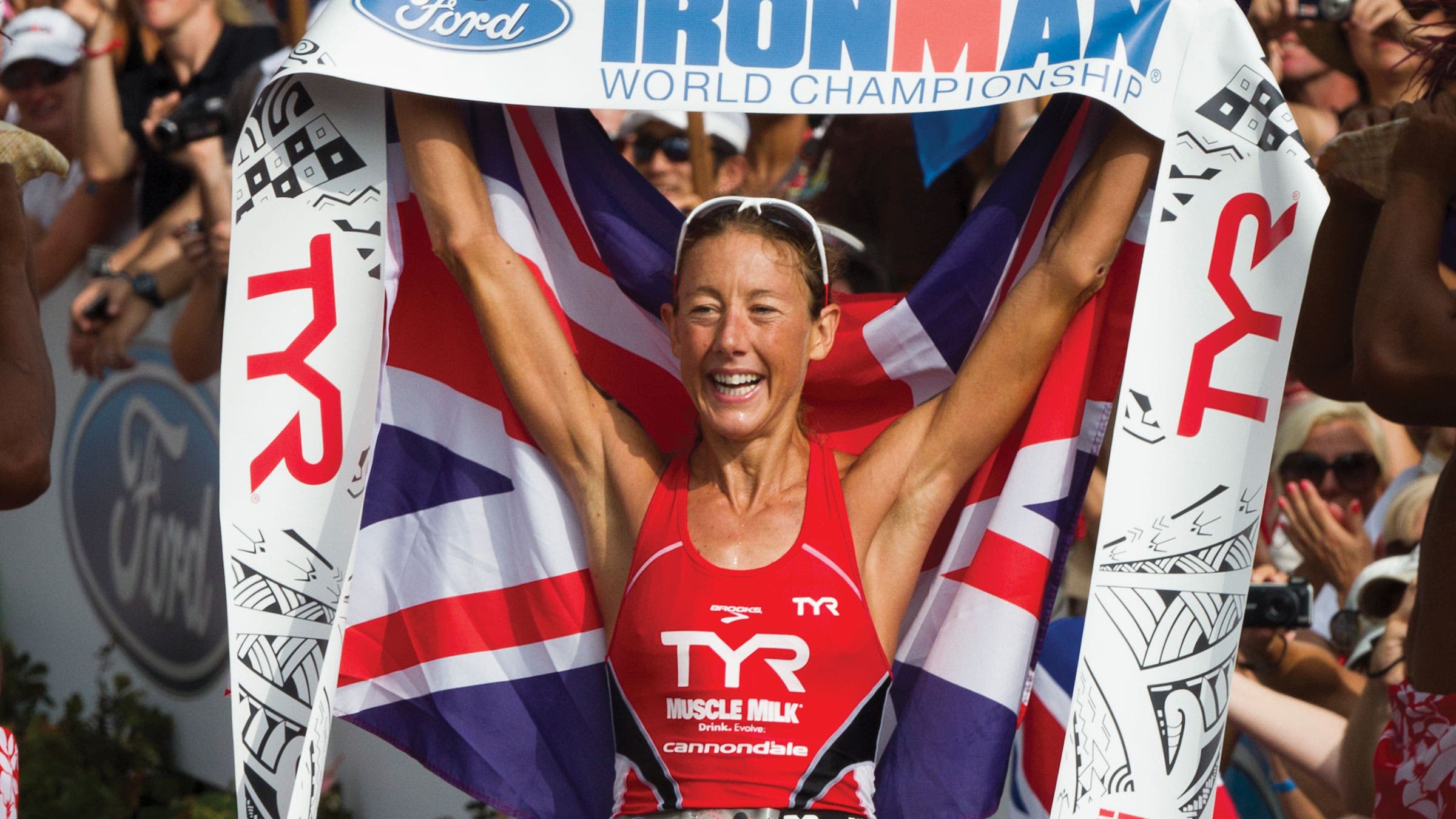
Four-time Ironman world champion Chrissie Wellington has shared her experiences of Relative Energy Deficiency in Sport, describing that when her weight dropped too low, her performance, power, and buoyancy in the water suffered. Of note, she has described energy balance as a constant challenge. Following her retirement from professional triathlon racing, Wellington experienced hormonal dysregulation, menstrual dysfunction, and multiple stress fractures, demonstrating how the effects of chronic underfueling can emerge years after the initial energy deficit occurred.
Chronic underfueling impacts more than just physical durability and training adaptation. Beyond diminished power on the bike or reduced running resilience, recent findings of underfueling highlight severe neurocognitive impacts, such as irritability and brain fog. Additionally, the brain actually processes information less efficiently when energy is scarce. In extreme cases of chronic deprivation, the brain may even begin to break down its own white matter (myelin) for fuel. Furthermore, low energy availability makes the same physical workload feel significantly more difficult by amplifying internal signals of discomfort.
At its core, REDs is frequently fueled by body image concerns, which can trigger the cycle of restrictive eating and excessive training, which undermines the performance athletes are striving to improve.
The fueling shift
A growing consensus is now emerging among coaches, clinicians, sports dietitians, and athletes: A fueled-athlete approach promotes better health outcomes and a more sustainable and rewarding athletic career.
ADVERTISEMENT
In my professional practice, I consistently observe athletes performing significantly better when they move away from chronic underfueling and begin adequately supporting their training demands. While many triathletes continue to view “race weight” as a prerequisite for race day readiness, endurance success is far more nuanced than a number on the scale.
“Reducing athletic success to leanness alone is both scientifically incomplete and potentially harmful, especially since athletes can appear outwardly ‘fit’ while physiologically underfueled.”
This shift does not suggest that body composition is irrelevant in sport, as certain physiological characteristics may offer advantages in specific scenarios. However, sports nutrition experts are increasingly moving away from “race weight” advice in favor of strategies that prioritize high-carb fueling, nutrient timing, and carbohydrate availability. Reducing athletic success to leanness alone is both scientifically incomplete and potentially harmful, especially since athletes can appear outwardly “fit” while physiologically underfueled.
The myth of the “ideal” triathlete body
The consistent success of athletes such as Blummenfelt presents a valuable opportunity to reshape the conversation around triathlete bodies and challenge outdated assumptions about what an elite endurance athlete “should” look like.
ADVERTISEMENT
Body ideals in endurance sports have long been shaped by cultural expectations, social pressures, and simplistic interpretations of performance. Among the most enduring beliefs is the idea that successful athletes must “look” a certain way in order to compete at a high level – often lean and light. But the language used in sport does more than describe athletes; it shapes which bodies are viewed as disciplined, capable, and deserving of belonging.
“The language used in sport does more than describe athletes; it shapes which bodies are viewed as disciplined, capable, and deserving of belonging.”
Rather than commenting on body shape, size, or weight, dialogue should center on performance, strength, resilience, tactics, and skill. Expanding the definition of what an athlete can look like is not lowering the standard of sport. Instead, it aligns sport more closely with the evidence that athletic potential has never belonged to only one body type.
When a triathlete delivers an exceptional performance, describing them as “bigger,” “not having the typical runner’s body,” or “surprisingly fast for their size” does more than comment on appearance; it reinforces the harmful belief that athleticism only belongs to certain kinds of bodies. In doing so, body diversity is viewed as an exception rather than a normal and valuable part of sport.
ADVERTISEMENT
Every time a commentator, coach, or fellow athlete describes someone as “doesn’t look like the typical triathlete,” it reveals how deeply ingrained these assumptions still are. The issue is not that some athletes fall outside the stereotype; the issue is the stereotype itself. Human performance has never been limited to one “typical” body type, and describing larger-bodied athletes as “inspirational” or “unexpected” simply because of their size implies that certain bodies are inherently less capable or less athletic. Rather than reinforcing these outdated narratives, the sport of triathlon is challenging them.
Be part of the change
For most endurance athletes, the path to better performance lies not in eating less but in fueling enough to meet the demands of training, recovery, and daily life. As the sport of triathlon continues to evolve, so too must the conversations we have about athletes’ bodies. When we equate leanness with speed, we risk reinforcing beliefs that may contribute to underfueling, REDs, disordered eating, and poor body image.
Changing this culture requires all of us – athletes, coaches, healthcare professionals, commentators, and fans – to be more intentional about our words. We can help shift the narrative by:
- Not commenting on an athlete’s body size, shape, weight, or appearance, even when the intention is well-meaning.
- Avoiding conversations that glorify weight loss or leanness as prerequisites or potential for athletic success.
- Paying attention to how you discuss (and describe) your own body around other athletes, your kids, or to yourself.
- Complimenting athletes on qualities such as dedication, consistency, resilience, strength, and skill, and not on looks or appearance.
- Recognizing that health and athletic ability cannot be judged by appearance, size, weight, or a number on the scale.
- Normalizing adequate nutrition and reinforcing the message that performance is built on adequate energy availability, not calorie restriction.
- Highlighting the growing diversity of body types, especially at the highest level of endurance sport.
Ultimately, the future of triathlon will be stronger, faster, healthier, and more inclusive when athletes are valued for what their bodies can do and not for what they look like. And the next time you hear that “lighter is faster,” remember the new gold standard: Fueled is fast.