Updated September 8, 2026 01:44PM
Ironman 70.3 World Championship 2026: Thorsten Radde’s Analysis of the Favorites and Dark Horses
Data analyst Thorsten Radde breaks down the top favorites, the demanding course, and why the formidable Col de Vence climb will shatter the field at the 2026 70.3 World Championship in Nice.
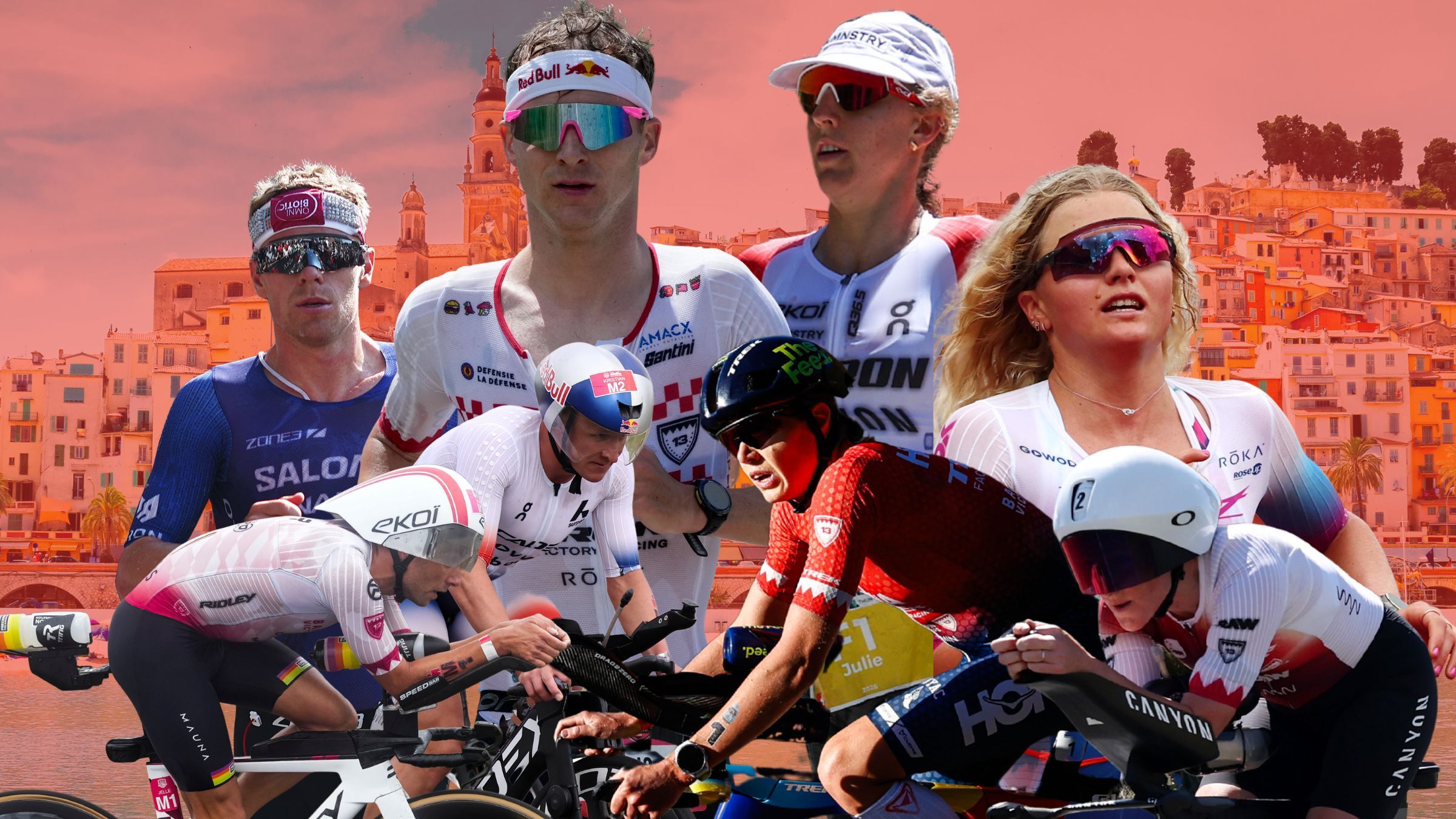
(Photo: Ironman)
SUMMARY:
Triathlete contributor and TriRating analyst Thorsten Radde previews the pro fields for the 2026 Ironman 70.3 World Championship. Highlights include:
- The course in Nice, France, which features a grueling bike leg over the Col de Vence that is expected to split the field before the flat run on the Promenade des Anglais.
- Three-time 70.3 world champion Taylor Knibb is the strong favorite in the women’s race, with Olympic silver medalist Julie Derron serving as her primary challenger.
- The men’s race is highly competitive, with an expected battle between top runners and past champions Jelle Geens, Kristian Blummenfelt, and Hayden Wilde.
The 70.3 World Championship is the one weekend of the year when the whole half-distance field lines up in the same place for the same prize: Olympic medalists, Ironman champions, short-course specialists and long-course racers, all chasing a single title. This year it is held in Nice with the women racing Saturday, September 12, and the men on Sunday the 13th. Nice is familiar ground for a World Championship. It hosted 70.3 Worlds in 2019 and the full-distance Ironman World Championship three times from 2023 to 2025, alternating the men’s and women’s races with Kona.
By now the defining features of the course are well established: The swim in the Mediterranean, the demanding bike, and the flat run along the Promenade des Anglais. But knowing what is coming does not make it any easier to stay with someone attacking the climb with everything they have. The last three championships, at Lahti, Taupo and Marbella, were settled to varying degrees by who could run fastest off a bike leg that created little separation. The Nice bike is different: it breaks the field up. On the climb up the Col de Vence, a strong ride can create a meaningful gap, rather than just a good position in the pack, and the title contenders will probably start the run in ones and twos rather than in a bunch just seconds apart. Here, more than at most venues, the course shapes the race.
For the women, that favors bike-powerhouse and three-time 70.3 World Champion Taylor Knibb (USA), the clear pick now that Lucy Charles-Barclay (GBR) has pulled out to focus on her Kona build. For the men, the race looks far closer: title holder Jelle Geens (BEL) is still rebuilding his championship form after an injury, and a pack of strong bikers is ready to challenge the faster runners on the climb. And it is a home Worlds for France, with local names in both races, among them Marjolaine Pierre (FRA) and Vincent Luis (FRA).
You can follow every split on the Ironman broadcast and the Ironman Tracker app. On a course built to break the race apart, the gaps will be worth watching.
ADVERTISEMENT
The 2026 Ironman 70.3 Worlds course
Nice is one of only a few 70.3 courses where the bike does more than just set up the run: it splits the field before the run even begins.
The day starts on the pebble beach of the Baie des Anges, a single 1.9-kilometer loop in the Mediterranean off the Promenade des Anglais. With mid-September water temperatures, the pros will almost certainly swim without wetsuits. It is a sheltered, non-technical swim that won’t win anyone the race, but it sorts the field into the groups that start the bike.
ADVERTISEMENT
The bike is the heart of the race. The opening 10 kilometers of the run are flat along the Mediterranean, and then the climbing starts at once, with no easing in as the road pitches up steeply the moment it turns inland into the Alpes-Maritimes. What follows is 35 kilometers of near-unbroken ascent. Its steepest sustained stretch is the Col de Vence itself, close to 10 kilometers averaging around six and a half percent, but the road keeps rising past the col to the course high point, a little above 1,000 meters, about 45 kilometers in. Almost all of the 1,247 meters (about 4,090 feet) of climbing is done by then. A short rolling section at altitude gives way to a long descent.
It is technical enough that athletes get no rest: instead of spinning the legs out and fueling for the run, they have to brake, corner and re-accelerate all the way down. It can also change the gaps after the climb. Someone taking extra risks may open a gap before the run, while a rider who created a big gap on the climb may give some of it back when descending with caution. The closing kilometers then flatten out along the sea into T2, which, unlike the previous Nice championships, now sits past the swim start near the yacht harbor, in a split-transition layout new for 2026.
ADVERTISEMENT
The long climb and technical descent set Nice apart from the recent championship venues. Taupo and Lahti were flat, giving strong cyclists almost nowhere to break clear before the run. Last year’s Marbella course actually climbed more than Nice will (almost 1,800 meters), but its rolling profile was not very technical and gave the strongest riders only a few chances to attack. Nice is a different kind of hard: less total climbing but concentrated into one long, sustained ascent and a demanding descent. This course rewards the riders who can both climb and descend. The last time the title was decided here, in 2019, the winning times ran 20-30 minutes slower than on the flat courses that have hosted it since: Iden won the men’s race in 3:52:35, more than 20 minutes off the 3:32 Geens later set in Taupo, and Ryf took the women’s in 4:23:04, 30 minutes slower than the quickest championship-winning times. The Col de Vence does not produce fast finishes; it produces separation.
The run is two flat loops on the Promenade des Anglais, 21.1 kilometers along the seafront. Flat does not mean easy here. The Col de Vence will have thinned the field, but whoever reaches the Promenade in contention still has to run for it. Against a World Championship field, that is the hardest part of the day.
Women’s main contenders
On the surface, the women’s race has a simple shape: Knibb is the strongest cyclist in the field, and the women who might beat her are better runners. But look closer and it is not so straightforward: How big of a lead can Knibb build by the top of the Col de Vence? How much will she give back on the descent? And is what’s left in T2 enough to hold off the faster runners on the Promenade?
ADVERTISEMENT
The swim will be led by short-course athletes such as Kirsten Kasper (USA) and Vittoria Lopes (BRA). Knibb should be the fastest of the genuine contenders, no more than half a minute off their feet, and Julie Derron (SUI) and Imogen Simmonds (CHE) are likely another 30 seconds or so back. Watch those small gaps since the differences are small enough to maybe hold on to faster feet – or just a bit too much, getting dropped and then starting the bike down on the leaders.
Which way it tips for each of them is almost impossible to call in advance. Further back, French hope Marjolaine Pierre and the Ironman-focused women such as Kat Matthews (GBR), Solveig Løvseth (NOR), and Laura Philipp (DEU) should start the bike two to three minutes down on the swim leaders.
On the bike, the road soon points uphill, and this is where the race will start to take shape. Knibb has the strongest bike legs in the field and will try to turn the Col de Vence into the kind of lead that has won her races before. History favors a strong cyclist, since Daniela Ryf won here in 2019 on the strength of the bike.
No one else in this field pairs a bike like hers with a front-pack swim, so once she presses on the climb, the question is whether the runners can limit the damage. If Derron or Simmonds can swim close to her, they will try to limit their losses before the long descent and the flat run-in to T2. Also watch Pierre, who is racing at home on a course she knows and likes, she can use the climb to ride her way toward the podium places, and a big day in front of her own crowd is within her reach.
ADVERTISEMENT
Matthews will start the bike further back after the swim; how far can she climb the rankings on the bike? Look for Paula Findlay (CAN) on the early climbs. Her usual style is to build into the bike and race within herself; whether she can commit to the early aggression Nice demands is one of the day’s open questions, especially with her season pointed towards Kona four weeks after Nice.
But the run can still overturn what happened on the bike. Derron, the Paris Olympic silver medalist, is the fastest runner in this field. On a good day, Matthews shouldn’t be much slower; those two are the likeliest to run Knibb down if she reaches T2 with only a slim margin, and Knibb’s run has always been the one relative soft spot in an otherwise complete race. Further back, pure runners such as Tamara Jewett (CAN) can climb the standings late if the swim and the Col de Vence didn’t cost them too much.
ADVERTISEMENT
With the deep field of a World Championship, there are many more to keep in view. Løvseth arrives as the reigning Kona champion, looking to improve on her sixth place from last year’s 70.3 Worlds. Philipp knows this course well: she won the Ironman World Championship here in 2024. She leads the Ironman Pro Series after her recent win at 70.3 Zell am See. The French crowd will have Pierre, Anne-Sophie Pierre (no relation), and Audrey Merle among the local names to cheer for.
Taylor Knibb
28 years old, United States
| Swim | ★★★★★ |
| Bike | ★★★★★ |
| Run | ★★★★ |
| Overall | ★★★★★ |
| Winning odds | 45% (1 to 1) |
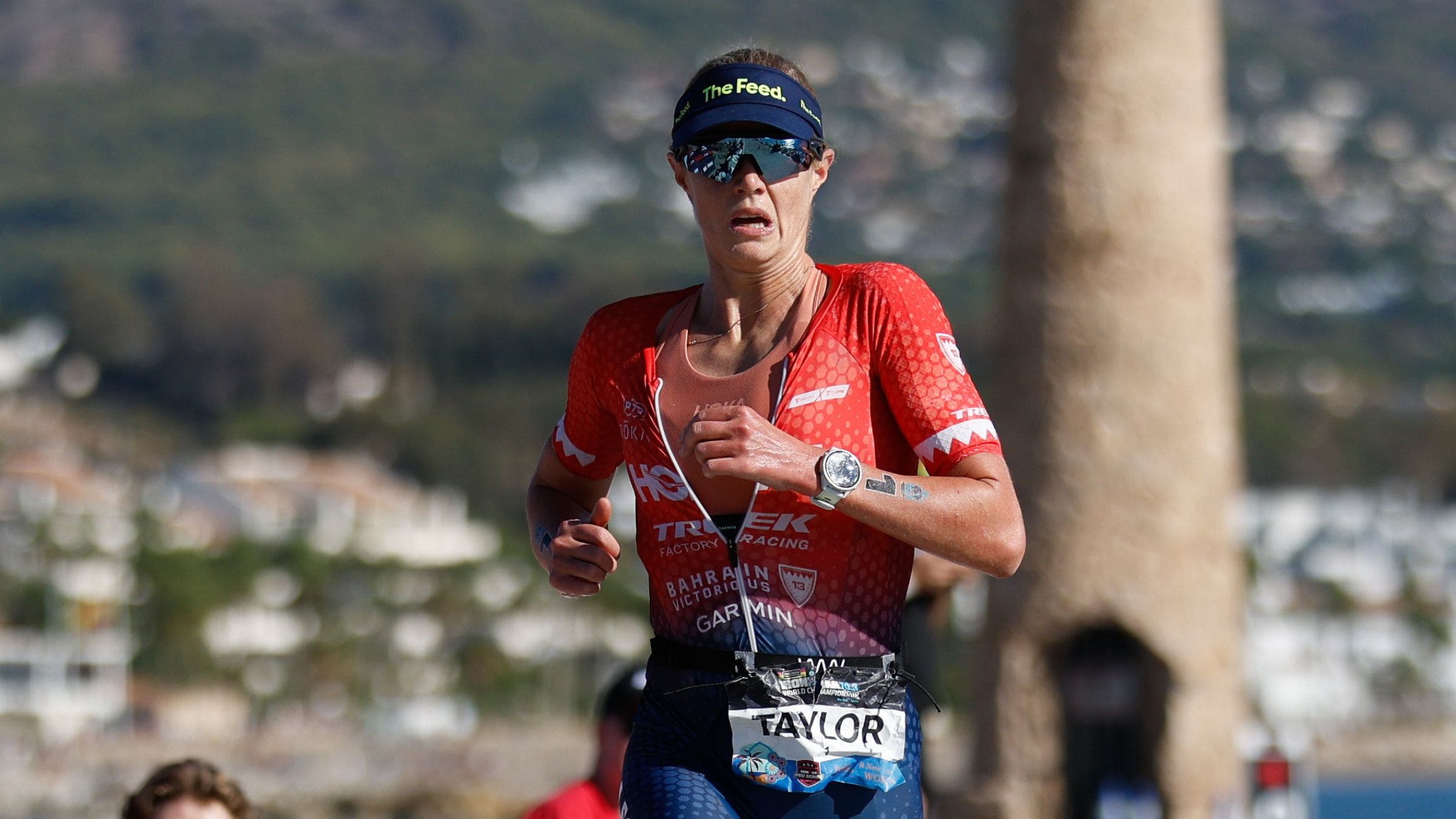
Taylor Knibb has won this title three times between 2022 and 2024 and arrives in Nice as the clear favorite now that Charles-Barclay has withdrawn. She is the strongest cyclist in the field and the strongest climber too: small, powerful, and heading to the UCI World time-trial championship the following week, so her bike form is not in question. Two wins from two half-distance starts in 2026, at the Gold Coast T100 and 70.3 Oceanside, say the same thing.
Her race is easy to describe and hard to stop: build a lead on the Col de Vence climb big enough to survive the run. Things get trickier after the summit as the descent is the section of the bike that could work against her. At last year’s 70.3 Worlds in Marbella, she led over the opening climb only for Charles-Barclay to ride back up to her and take the lead back on the way down, and after her 2024 San Francisco T100 win she admitted she had not been descending or cornering well, getting it right only in the closing laps. At Nice, the descent won’t allow her to extend her advantage; if anything, it trims it. Whatever she holds at the top of the Col de Vence is probably the biggest gap she will have for the whole race.
That loads all the pressure onto the climb, because the run is the lone relatively soft spot in an otherwise complete profile. Crest with a slim margin and the faster runners have a flat half marathon to hunt her down. Build a big enough gap, and a fourth world title will be hers.
Julie Derron
30 years old, Switzerland
| Swim | ★★★★ |
| Bike | ★★★★ |
| Run | ★★★★★ |
| Overall | ★★★★★ |
| Winning odds | 30% (3 to 1) |
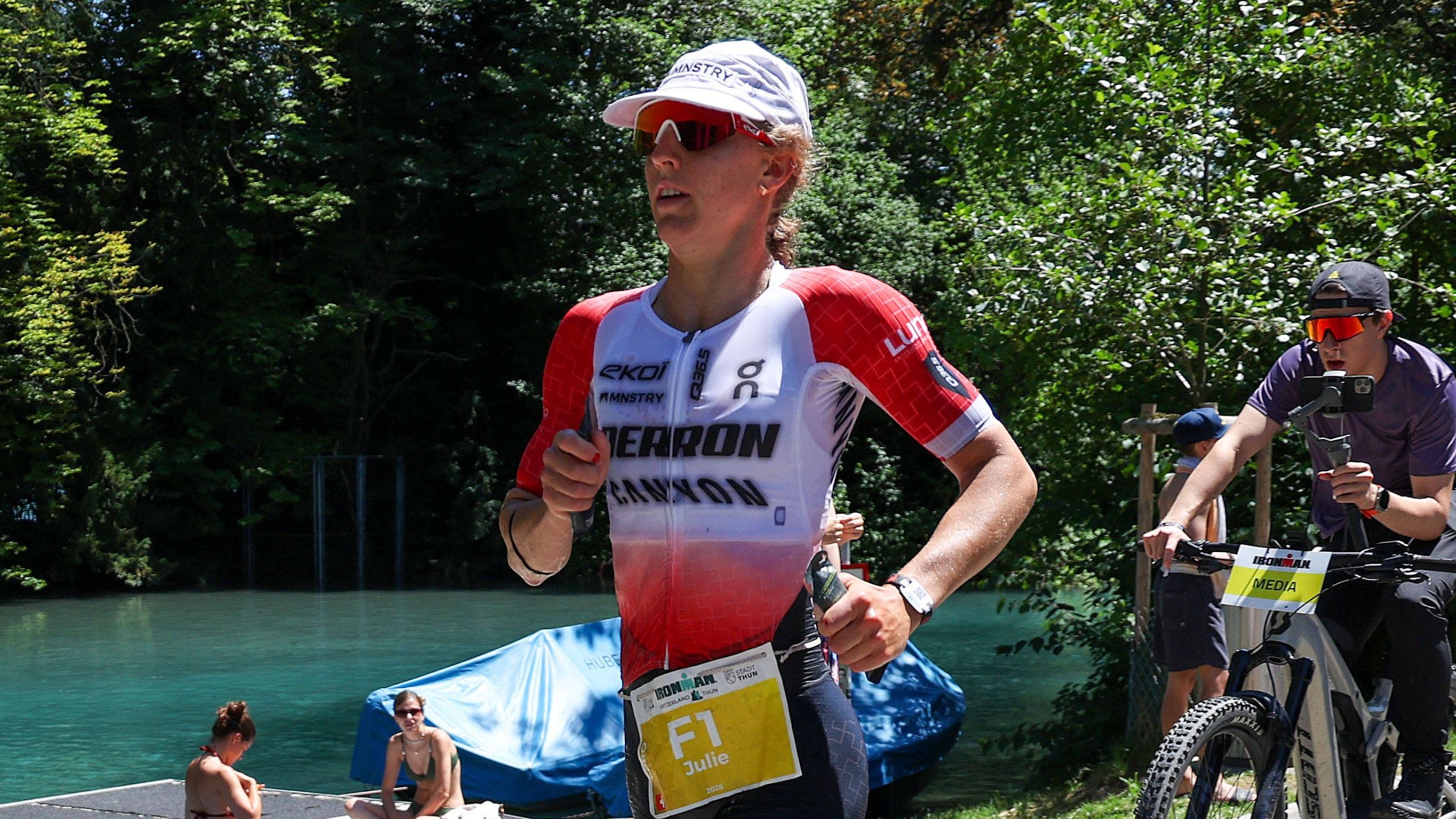
Julie Derron, the Paris Olympic silver medalist, is the athlete most likely to keep Knibb from winning in Nice, and the reason is her run. Their 2025 head-to-heads show it plainly: at the San Francisco T100, Derron was only one minute behind Knibb out of T2, ran three minutes faster, and was able to take the win. At Vancouver T100, Derron started the run nearly six minutes down, still closed it to within two minutes by the line, but Knibb won. Derron does not need to match Knibb on the bike, but she needs to stay within range on the climb and then let her run do the rest.
The usual worry about a short-course runner on a technical course (bleeding too much time riding on her own in the descents) looks overstated in her case. Derron grew up in the mountains around St. Moritz and trains in the Alps, so her climbing and descending are the real thing. And the shape of Nice suits her: the lead Knibb builds on the Col de Vence will not grow on the descent and the flat run-in – if anything she’ll get closer – so Derron has a realistic chance to start the half-marathon with a deficit she can run down.
It comes down to the size of that deficit. If Knibb tops the climb with a big enough cushion, even Derron’s run may fall short. If not, the fastest runner in the field, loose on a flat Promenade, can take this year’s 70.3 title.
Dark horse 1: Imogen Simmonds
33 years old, Switzerland
| Swim | ★★★★ |
| Bike | ★★★★ |
| Run | ★★ |
| Overall | ★★★★★ |
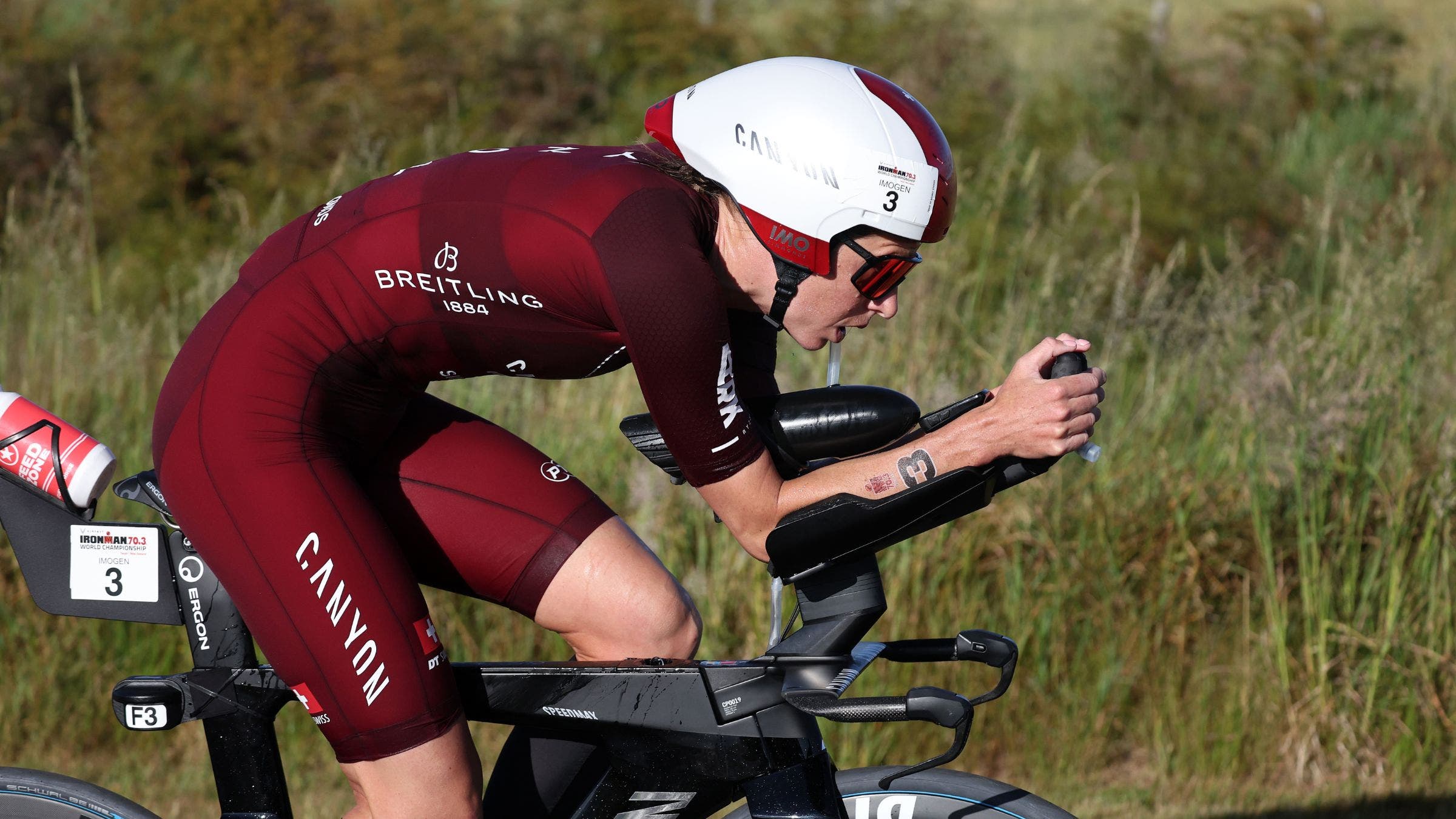
Imogen Simmonds knows this course as few do: she finished third at the 2019 70.3 Worlds in Nice, on the second-fastest bike of the day. She then lost almost all of 2025 when she was provisionally suspended over an out-of-competition positive test before the ITA cleared her that October with a finding of no fault or negligence.
Back racing in 2026, she has rebuilt with solid T100 results and two 70.3 runner-up finishes, beaten only by Marjolaine Pierre at Aix-en-Provence and Julie Derron in Switzerland. A strong swimmer and one of the best cyclists in the field, she can be among the first riders into T2 behind Knibb. The questions are whether the gap to the front is small enough – and whether her legs hold on the flat Promenade. Get both right, and a second Nice podium, six years after her first, is well within reach.
ADVERTISEMENT
Dark horse 2: Kat Matthews
35 years old, Great Britain
| Swim | ★★ |
| Bike | ★★★★ |
| Run | ★★★★ |
| Overall | ★★★★ |
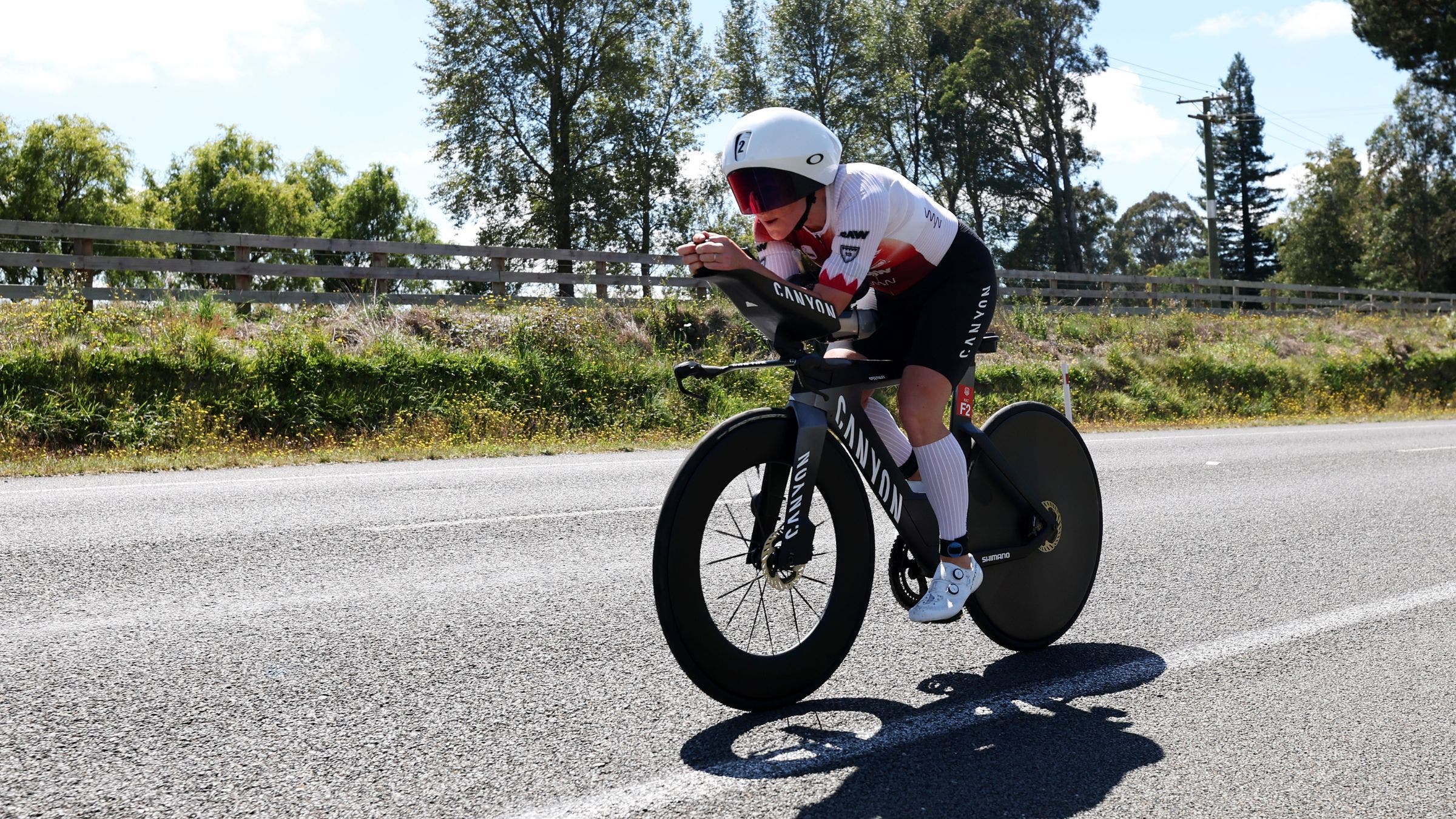
No one collects World Championship silvers like Matthews: second twice at the 70.3 Worlds and three times at the full-distance worlds, often in contention but never on the top step. She arrives chasing redemption after a run-leg DNF at Marbella last year, off a 2026 season of early wins and a costly Texas DNF.
The course fits her: she swims a little back, climbs strongly, and handles the descent well where others lose ground. The real question is sharpness. Matthews’ season is built toward Kona four weeks later, and winning a 70.3 asks for a top-end edge – a climb to rival Knibb’s and a run to rival Derron’s – that is hard to carry when her body is getting ready for a full-distance peak. Find that edge and the perennial runner-up could finally have her day; without it, another second is likelier than a first world title.
Dark horse 3: Marjolaine Pierre
26 years old, France
| Swim | ★★★ |
| Bike | ★★★★ |
| Run | ★★★ |
| Overall | ★★★ |
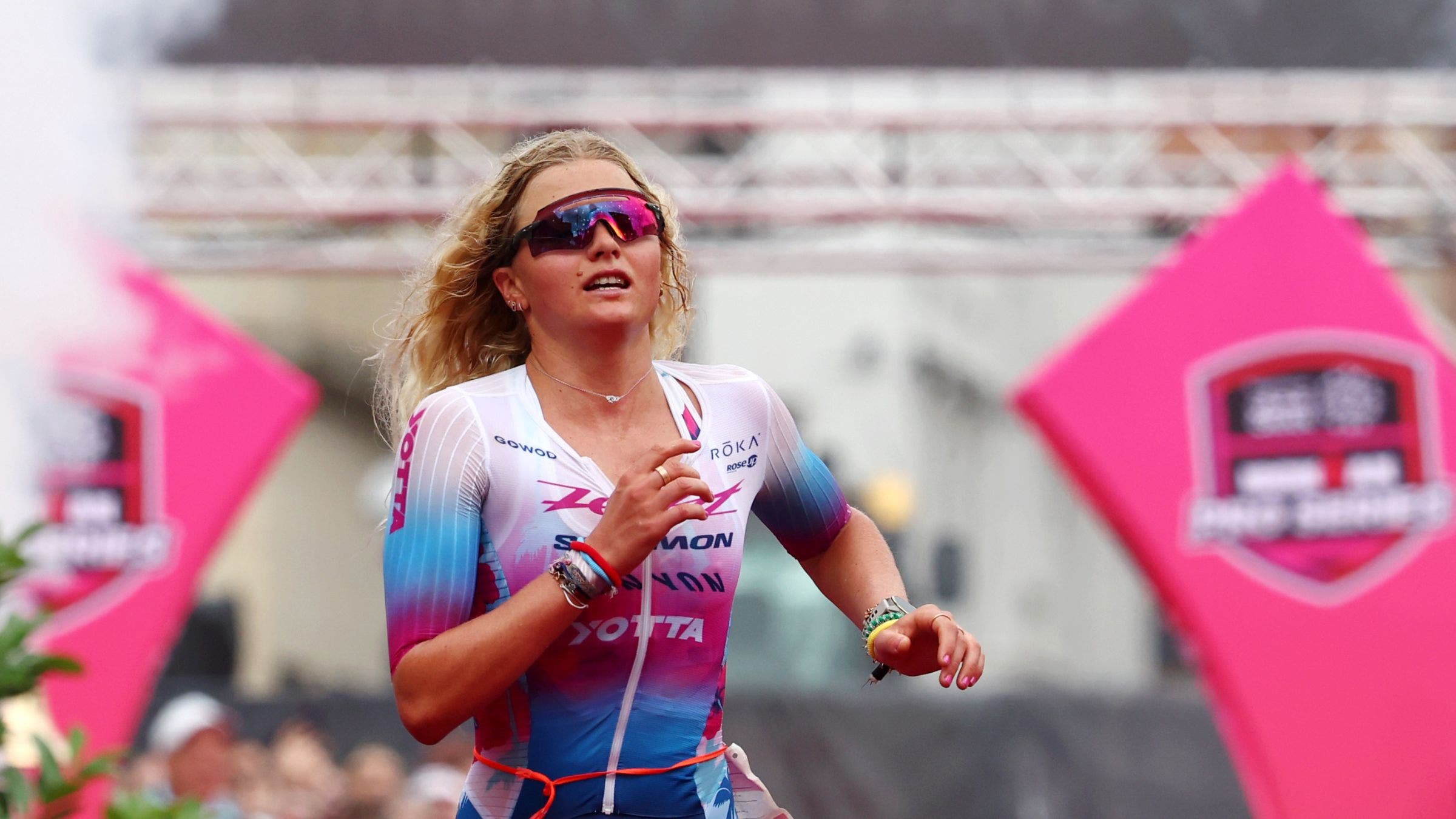
The home pick, and not only for sentiment: Pierre is from Nice and rides these roads all the time, and she took the race to the front here at the 2024 full-distance Worlds. Her win at 70.3 Aix-en-Provence this year is the blueprint for a good result here: she exited the water within about 30 seconds of the front, then rode hard to take control of the race. Her fifth place at Marbella last year shows she can place well against a championship field too. She is a strong runner, provided she has not overspent on the early bike. If she gets the balance right, a podium in front of her own crowd is a real possibility.
ADVERTISEMENT
Men’s main contenders
The fastest runner in Nice will almost certainly be one of three men: Geens, the two-time defending champion; Hayden Wilde (NZL), the reigning T100 World Champion; or Kristian Blummenfelt, the 2022 70.3 world champion and winner of 70.3 Geelong earlier this year. It’s hard to imagine someone beating all three of them in a straight run. So for everyone else, the winning move is to make sure it never becomes a straight run: to break the race apart on the Col de Vence rather than let it carry intact to the Promenade.
ADVERTISEMENT
The swim should go to the short-course men. Luis, racing at home, is one of the fastest swimmers in the field, though he can only split the field if he chooses to drive it – Jamie Riddle (ZAF), Jonas Schomburg (DEU), Rico Bogen (DEU), and Marten Van Riel (BEL) are probably just behind him. The three favorites should reach T1 just a short way back in a bigger chase pack, close enough to be at the front by the time the road tips uphill.
On the bike, things are likely to get hectic. The men who can’t win a run battle have to win it here instead, and the attacks will start even before the climb. Bogen owns the strongest bike in the field and has to blow the race apart on the Col de Vence to build the cushion his run will need. Can he or an aggressive rider like Riddle ride clear of the three favorites over the top? And do the favorites reach the summit together, or has one broken away? Then comes the long descent, which may simply gather the race back together for the run.
ADVERTISEMENT
Because if a bigger lead group reaches T2 intact, it becomes the running race that suits the three favorites – but none of them arrives without a question. Geens is only rebuilding after an injury-hit run-in; Wilde has been short of his best and beaten in his most recent outings; Blummenfelt comes in with one eye already on Kona. Any of the three can win a straight run to the line. Which of them is sharpest on the day – or whether someone else can steal it – is the question only the race can answer.
Jelle Geens
32 years old, Belgium
| Swim | ★★★★ |
| Bike | ★★★★ |
| Run | ★★★★★ |
| Overall | ★★★★★ |
| Winning odds | 20% (4 to 1) |
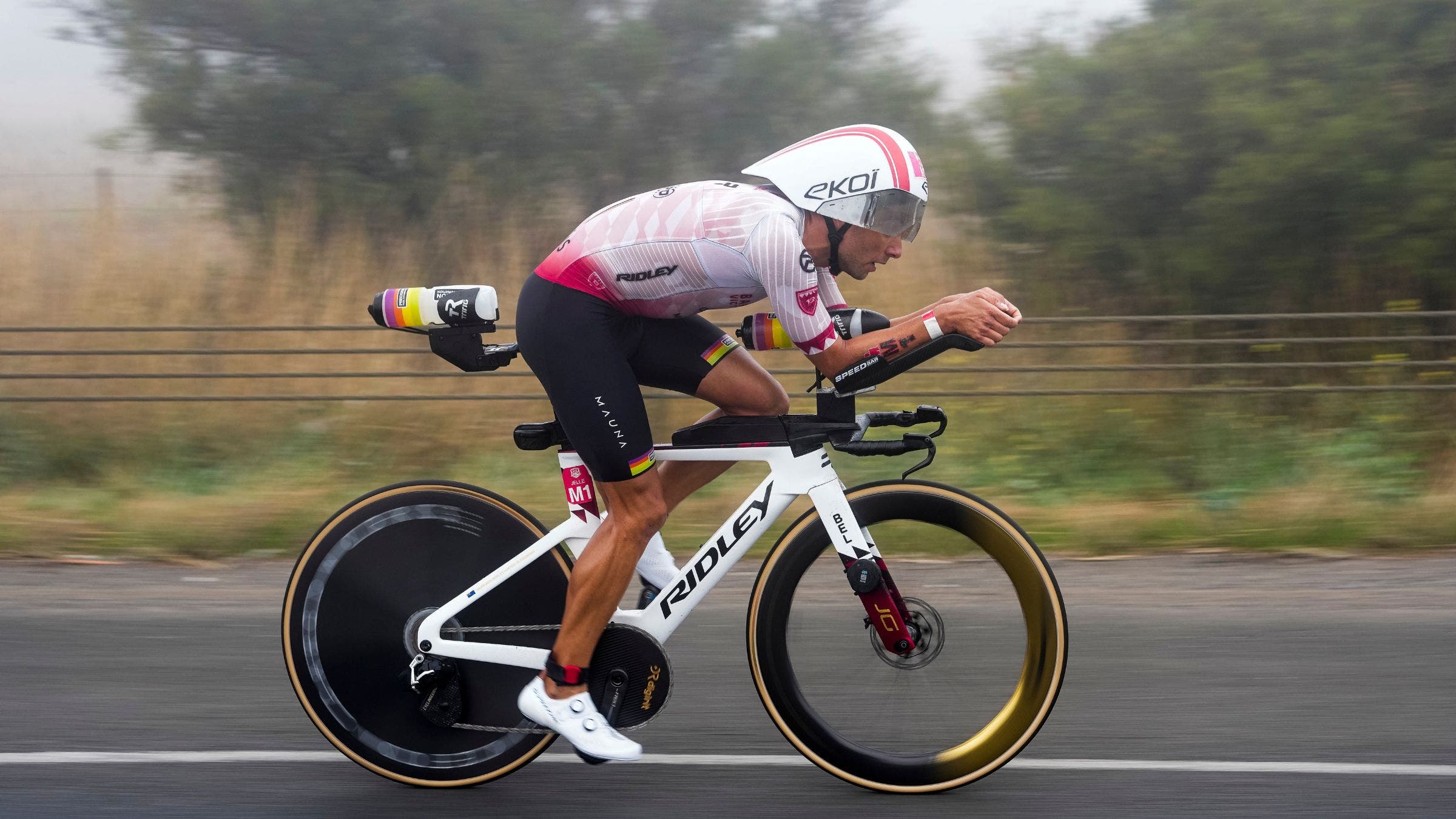
Geens is the only two-time 70.3 world champion in the field, and he won both of the last two editions: Taupo in 2024, where he beat Wilde, and Marbella in 2025, where he out-sprinted Blummenfelt by three seconds. He has beaten the other two favorites at the last two 70.3 Worlds, the strongest calling card any of them can carry.
But he arrives the least certain of the three. A femoral stress reaction wrecked his season after a DNF at his Ironman debut in Texas and cost him the summer races. 70.3 Zell am See two weeks ago was his first race back – a solid return, second place, but behind a red-hot Lasse Nygaard-Priester (DEU) and, more tellingly, on a run split more than two minutes down on the winner. On a course where he may have to outrun Blummenfelt and Wilde to defend his title, that is the number that raises the doubt rather than settling it.
The case for him is that he is a great climber, he carries no Kona distraction into the race, and knows exactly how to win this title – he even rode through mechanical trouble at a world championship before and still came out on top. The case against is simply time: whether two weeks is enough to turn a return into a peak. But Geens is the last man you’d write off on racecraft. If the run is back, his standard path is open: out-run them to a third straight title. If he feels he can’t outrun them, expect him to look for another way: riding hard on the Col de Vence climb, forcing the race before the Promenade, doing whatever it takes to beat Blummenfelt and Wilde.
Kristian Blummenfelt
32 years old, Norway
| Swim | ★★★★ |
| Bike | ★★★★ |
| Run | ★★★★★ |
| Overall | ★★★★★ |
| Winning odds | 30% (2 to 1) |
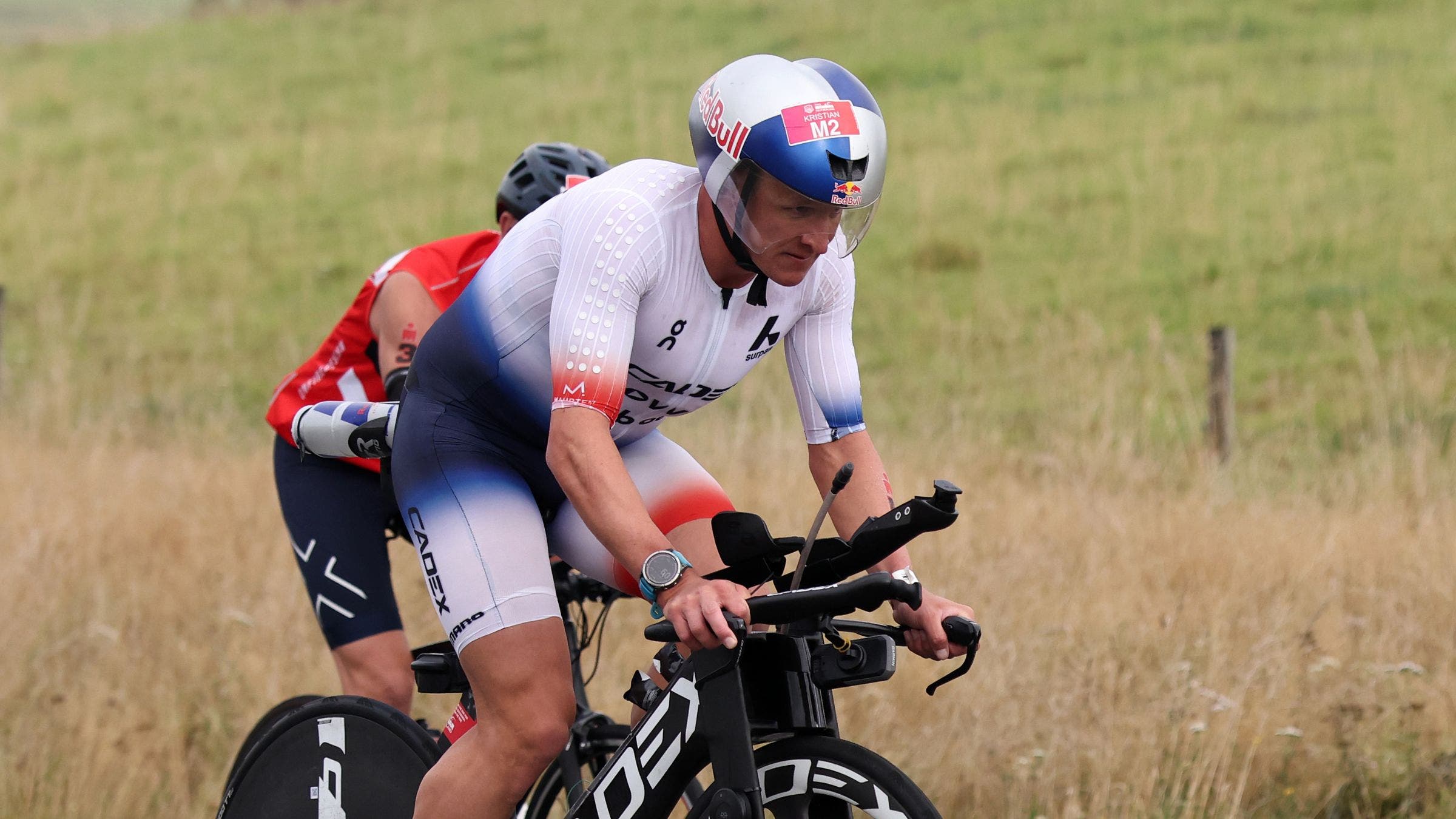
Kristian Blummenfelt already owns the 2022 70.3 world title, but the more telling result for Nice came at 70.3 Geelong in March. There, he was more than a minute down after the bike, but he outran both his rivals, two minutes quicker than Geens and three quicker than Wilde to take the win. A reminder that a one-minute lead over Blummenfelt isn’t safe at all with the run to come.
The question is timing. His season is built around Kona, four weeks after Nice, and his most recent race was a second place at Roth behind Sam Laidlow (FRA), a full-distance result that will only have sharpened his focus on Hawaii. It is the same calculation Charles-Barclay made on the women’s side, and she reached the opposite answer: that racing a world championship flat out, then tapering, travelling and recovering, costs key training days she couldn’t get back, and she withdrew rather than risk arriving at Kona short of her best. Blummenfelt is taking the bet she declined. The doubt is not whether he has the run – Geelong settled that – but whether a body tuned for Kona still has the top-end that a fast 70.3 demands.
But Blummenfelt is an Olympic champion and a serial winner across every distance, and he does not travel to a world championship to help someone else win it. If he arrives with the Geelong form, the equation is simple: he does not need to escape on the bike, because he can beat this field on the Promenade. He just has to get there with them.
Hayden Wilde
29 years old, New Zealand
| Swim | ★★★ |
| Bike | ★★★★ |
| Run | ★★★★ |
| Overall | ★★★★★ |
| Winning odds | 25% (3 to 1) |
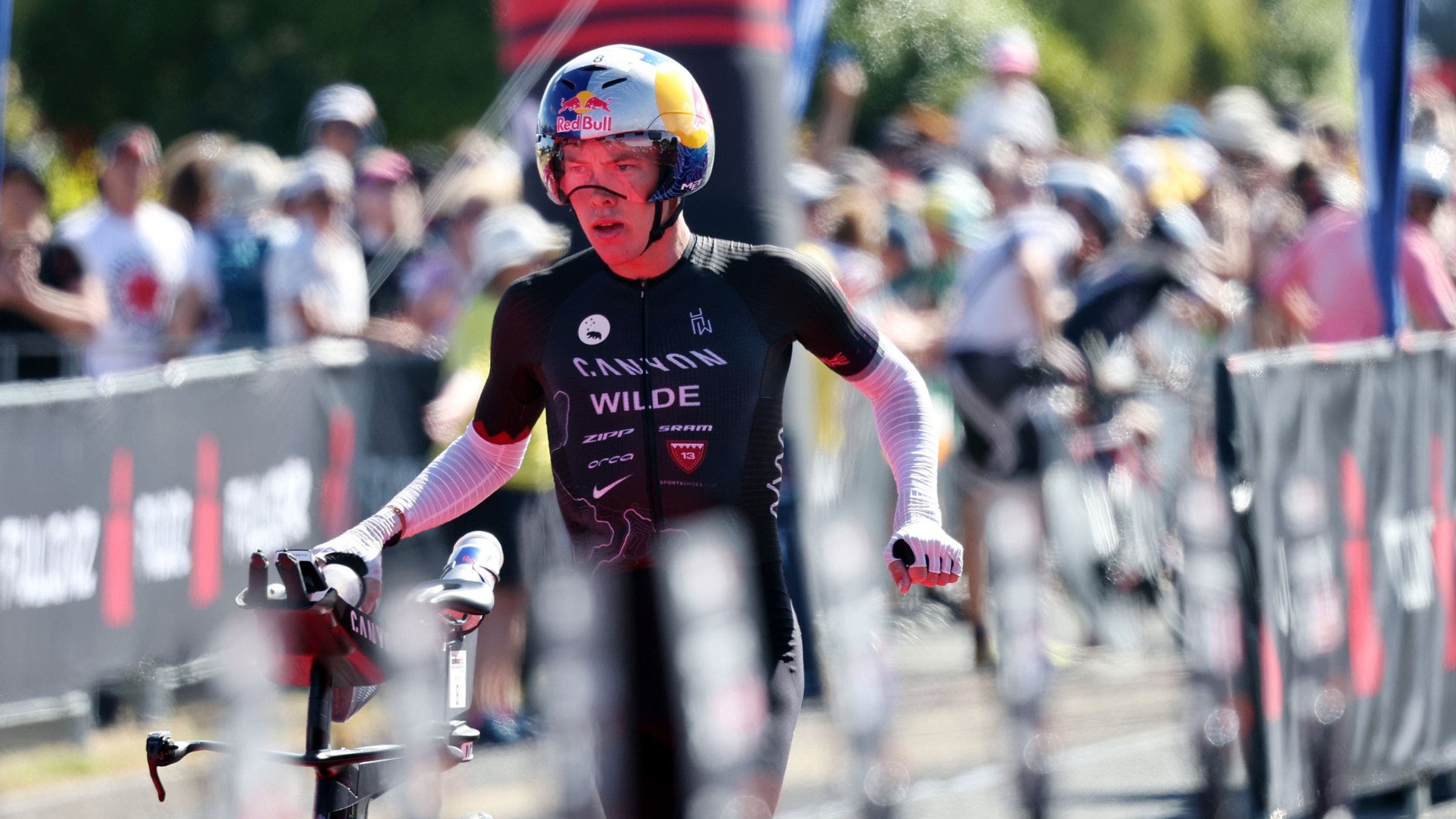
Hayden Wilde is the reigning T100 World Champion and, at his best, the most naturally gifted racer of the three – the short-course speed to swim near the front and climb with anyone, and a run to match the best in the world. He is also the hardest of the three to read coming in. His 2026 season has been a mixed picture: a Geelong race where Blummenfelt outran him, a win at Singapore T100, but then a third in San Francisco after illness, and a second at Supertri Jersey just seven days before Nice – a maximal short-course effort a week out that could sharpen him or leave a crack.
What eases the doubt is that Wilde does not need to race himself into form. At London T100 last year he returned from a serious injury and won a deep field in his first race back, Geens among those he beat. It was proof he can arrive undercooked on paper and still win against world-class rivals. A quiet run-in matters less for him than it would for most.
So Wilde is next to impossible to call. If he is even slightly off, this course and this field will punish any lack of sharpness, and he could finish a good way down rather than just off the podium. But at his best – the Wilde who won London and Singapore – he has the cleanest all-round game in the field, and no one should be surprised if he takes the 70.3 title. Even Wilde may not know which version will turn up in Nice.
ADVERTISEMENT
Dark horse 1: Lasse Nygaard-Priester
25 years old, Germany
| Swim | ★★★★ |
| Bike | ★★★★ |
| Run | ★★★★ |
| Overall | ★★★★ |
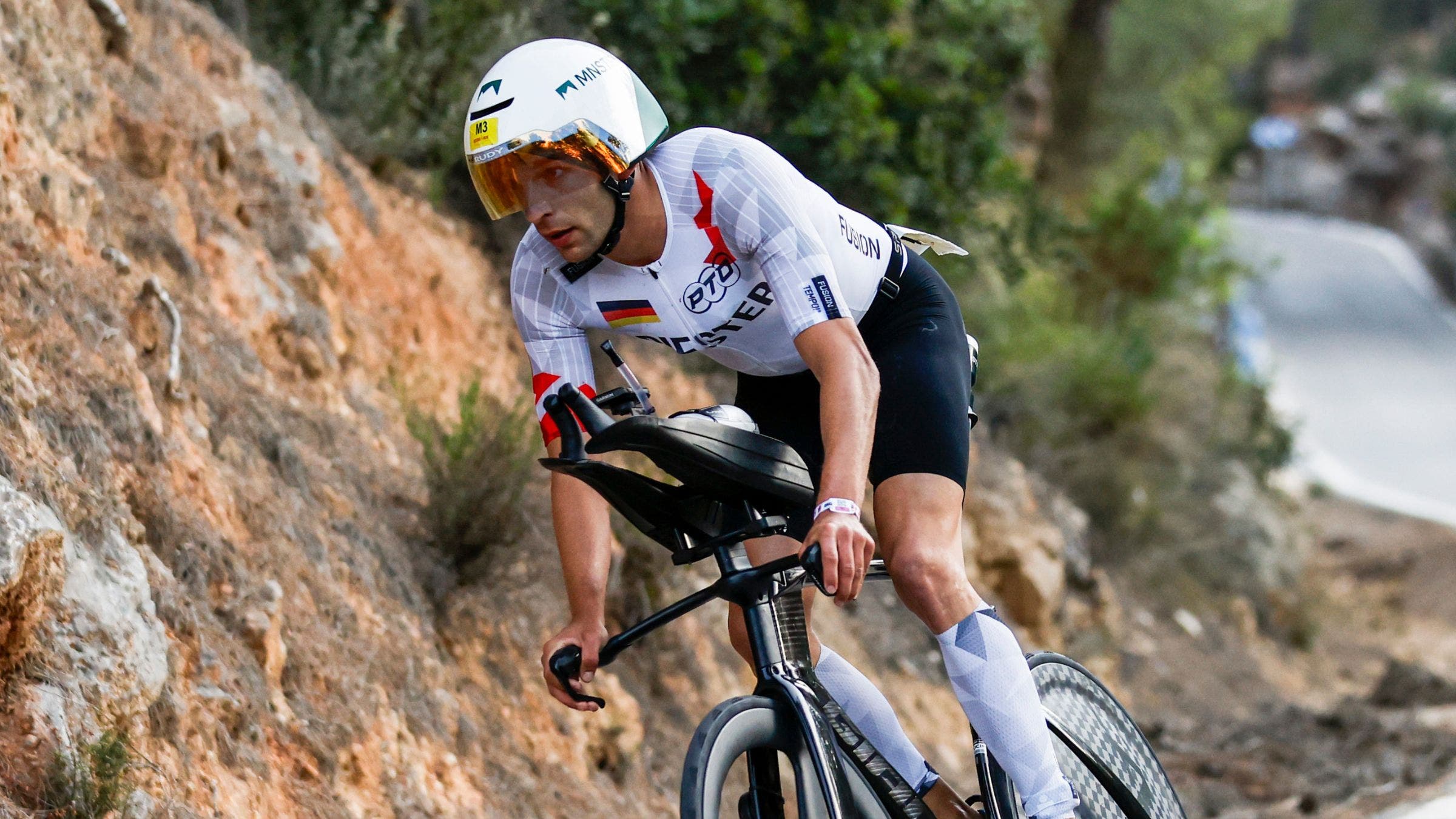
Nygaard-Priester leads a strong German contingent. He has not finished off the podium all season, and he is more than a swim-biker hanging on: he won 70.3 Zell am See with the fastest bike and run of the day, and he also ran the fastest split on his way to third at 70.3 Aix-en-Provence.
At the San Francisco T100 he took second the hard way, riding alone behind Rico Bogen and clear of the chase, then defending the gap on the run. Bogen has beaten him more than once this year and is the stronger cyclist – but Bogen’s day depends on a big bike, while Nygaard-Priester puts together more rounded races. Another German, Schomburg, attacks from the gun and races hard across all three legs. Over-commit early, and he fades late, as he did at Roth this year – but get it right and that aggression wins races, as it did at Ironman Sweden just four weeks before Nice.
Dark horse 2: Marten Van Riel
33 years old, Belgium
| Swim | ★★★★★ |
| Bike | ★★★★ |
| Run | ★★★★ |
| Overall | ★★★★ |
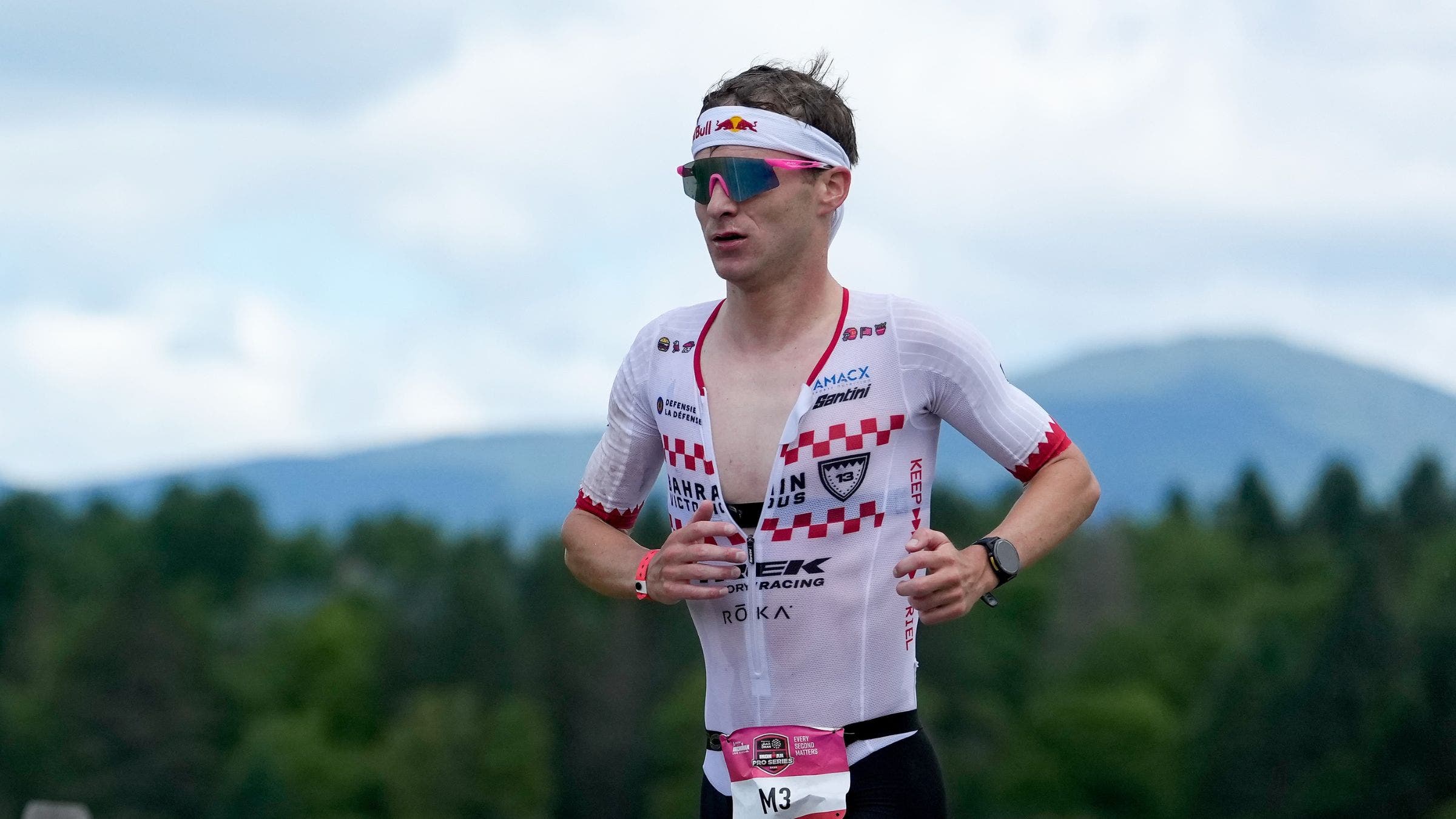
Van Riel arrives on a strong 2026 season, though mostly the wrong distance for Nice: second at Ironman Texas and a Lake Placid win are full-distance results, and his only 70.3 was the win at Elsinore that secured him the last Nice slot. A short-course pedigree makes him one of the men most likely to force the pace in the water and attack early on the Col de Vence, and he is among those most likely to ride away from the favorites.
The catch is the logic of the run: against the three fastest runners in the field, even a minute at T2 is far from safe, and he probably needs a bigger gap than he can build on the bike. He will still be racing for a Nice podium, and with the ride of his life, he might open a gap even the favorites can’t close.
Dark horse 3: Casper Stornes
29 years old, Norway
| Swim | ★★★★★ |
| Bike | ★★★★ |
| Run | ★★★★★ |
| Overall | ★★★★ |
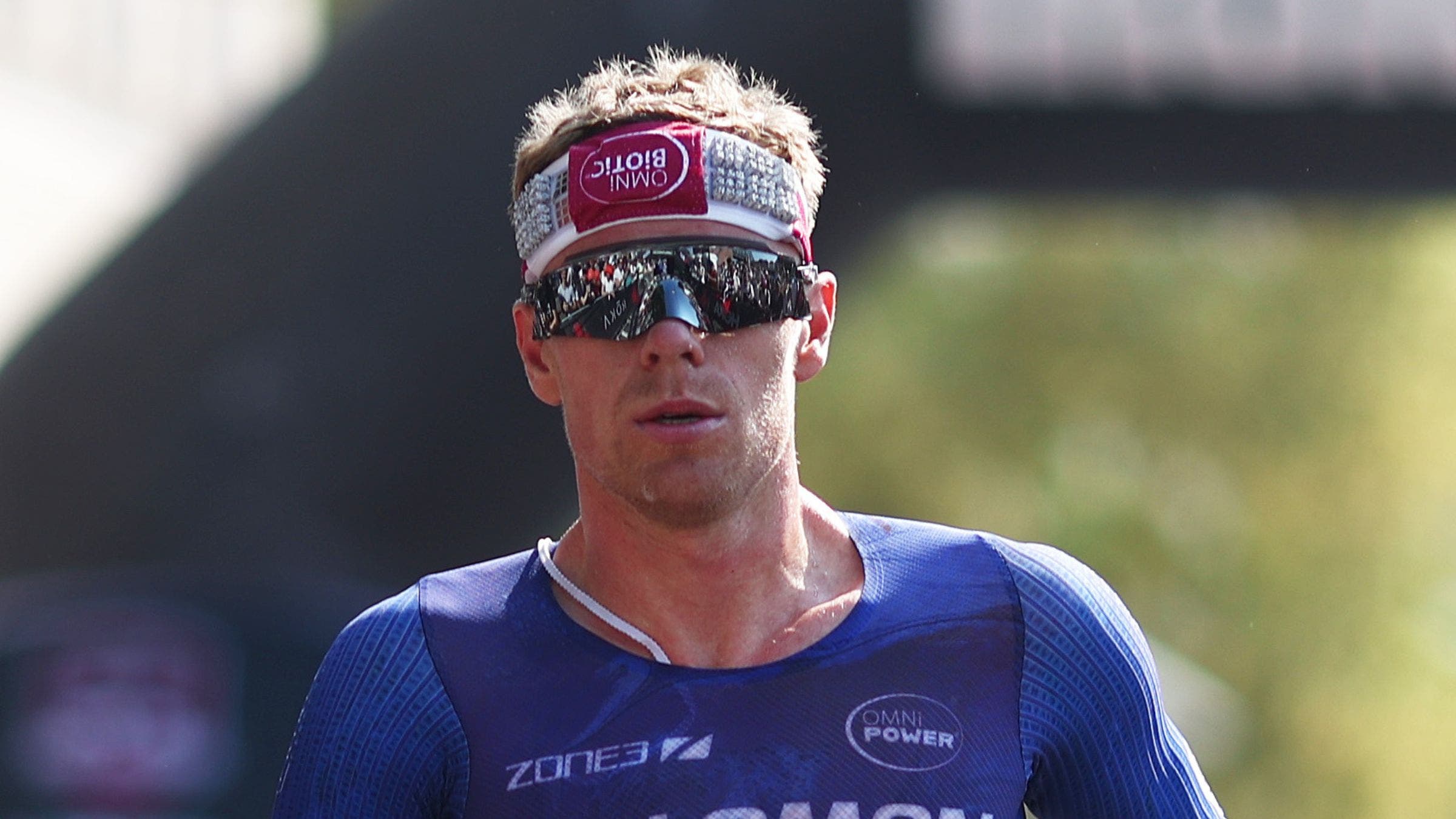
Casper Stornes is the most dangerous dark horse in the field, and the reason is what he did here last September. He won the Ironman World Championship on this course, taking the title with the fastest run of the day. His 2026 results back it up: a third at 70.3 Oceanside, a third at Ironman Texas, a win at the heat-shortened Ironman Frankfurt.
These results also frame the question: plenty of podiums, but the half-distance wins have not yet come, and a fast 70.3 is a sharper, less forgiving test than the full-distance racing where he is strongest. If he brings the form that won him a world title here, he is closer to a fourth favorite than a dark horse. Fellow Norwegian Gustav Iden is back on the course where he won the 2019 70.3 world title, and a solid season makes him dangerous for the same reason as Stornes.
ADVERTISEMENT